What is Textile Engineering ?
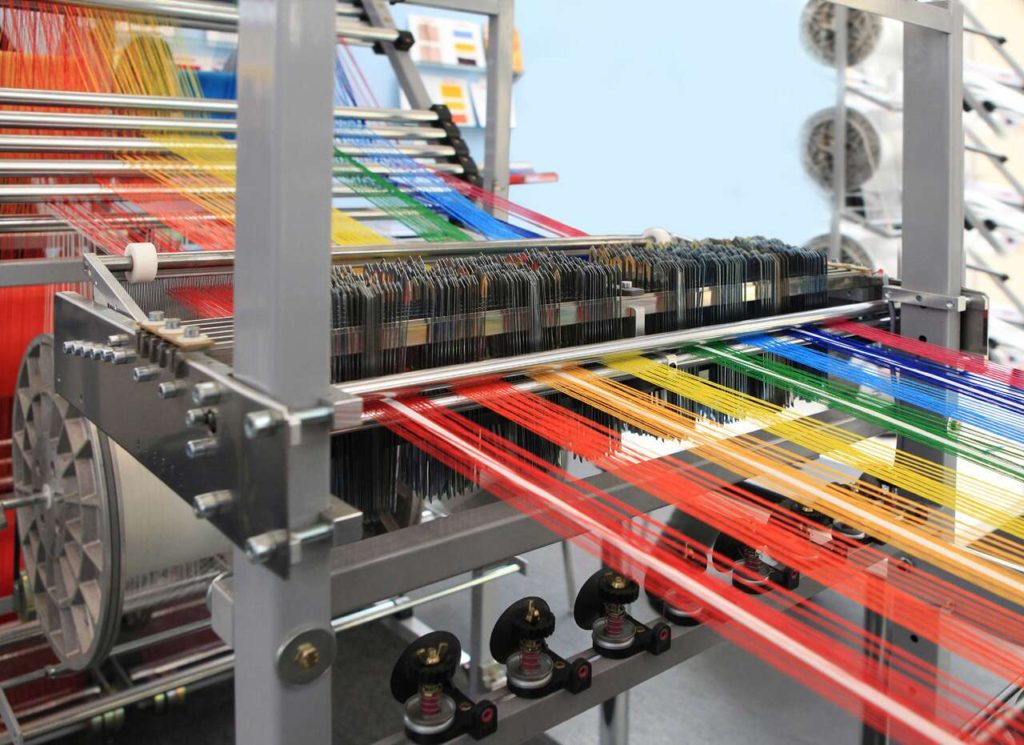
Textile engineering is a stream of engineering that deals with the colour,garment,and fabric line of industries. It is the science that refers with all the activities and the process which are involved in the method of textile producing.
Textile engineering contain the law, principles, and scientific techniques which are used for the progress and producing the textile fabrics and all kinds of yarns. It also learned the principles of science that examine the polymers involved in the formation of textile fibre.
Textile engineering specialise on the design and maintain the fibre, machinery and products, and apparel and textile methods
Career -Textile Engineering
We can see the textiles everywhere, be it clothes, draperies,bed sheets, carpeting, upholstery fabrics or towels. The science behind the manufacture of all these products is Textile Engineering. Textile engineers design and improve the processes, equipment and procedures that make all these fabrics, fibres and Yarns.
They can employee in plant and process engineering,design engineering,product development,quality control, production control and supervision,research and development, technical sales and services and corporate management.
Some times medical science depends on textiles for artificial arteries and filters for kidney dialysis machines, bandages, and hospital gowns. The artificial heart Jarvik-7 is made up of more than 50 percent textile fibres and has Velcro fittings.
Job prospects for Textile Engineers
Textile Engineering demands a plenty of creativity, research, and innovation, considering the demand for fashionable attire. Once done with the course, candidates want to apply this creativity and scientific knowledge in their work to come up with a quality end result.
Textile Engineers are normally recruited by top textile plants and firms. Besides from employment, textile engineers can even start their own business. Candidates having a degree in Textile Engineering are hired to fill following designations:
Process engineer
Medical textiles engineer
Quality control supervisor
Operations trainee
Technical salesperson
Process improvement engineer
Textile Engineering Courses
Lot of colleges and universities have initiate the specialization courses in textile engineering. The curriculum of Textile Engineering permits the candidate to understand about the interaction of material with machine, energy conservation, pollution,natural and man-made materials, waste management, and safety and health.
There are 4 types of programmes in Textile Engineering in India are mentioned below:
- Polytechnic diploma course: The time period of this course is three years and it can be apply after 10+2 examination
Diploma in Textile Technology / Textile Engineering
Diploma in Fabrication Technology & Erection Engineering
- Under-graduate Course: Generally it is called B.Tech programme. The time period of this course is four years and it can be apply after 10+2 examination
Bachelor of Technology (B.Tech) in Textile Engineering
- Post-graduate Course :This course is called as M.Tech and its time period is two years. It can be done after the finishing of UG degree in engineering.
Master of Technology (M.Tech) in Textile Technology
Master of Technology (M.Tech) in Textile Chemistry
Master of Technology (M.Tech) in Textile Engineering
- Doctoral degree courses :This course is conduct to PhD domain with the time period of one to two years after the finishing of PG degree.
Subjects of Textile Engineering
Textile Engineering contains Textile Engineering, Textile Chemistry Textile Technology, and Textile Production. The inside subjects which come within Textile Engineering are given below:
| Textile Fibre | Yarn Formation |
| Computer Applications in Textiles | Design & Structure of Fabric |
| Fabric Formation | Chemical Processing of Textiles |
| Textile Testing & Instruments | Processing at Textile Lab |
| Information Technology in Textile | Design & Structure of Fabric |
Recruiters in Textile Engineering
| Lakshmi Machine Works | Lakshmi Mills |
| JCT Limited | Bhilwara Group |
| Arvind Mills Ltd | Bombay Dyeing |
| Fabindia | Rajasthan Petro Synthetics |
| Mysore Silk | Fabindia |
| Reliance Textiles | RIL Textiles |
| Mafatlal Denim | JCT Mills |
| Grasim Industries | Raymond Group |
Popular Textile Engineering colleges in India
| Government Central Textile Institute, Uttar Pradesh | MLV Textile Institute, Rajasthan |
| University of Mumbai, Maharashtra | Institute of Information Technology and Management, New Delhi |
| LD College if Engineering, Gujarat | Bannariamman Institute of Technology, Tamil Nadu |
| Institute of textile technology, Orissa | SSM Institute of Textile Technology and Polytechnic College, Tamil Nadu |
| College of Textile Technology, West Bengal | Calcutta University College of Textile Technology, West Bengal |
| IIT: Indian Institute of Technology, Delhi | Zail Singh College of Engineering and Technology, Punjab |
| Bengal Engineering and Science University, West Bengal | Amity University, Uttar Pradesh |
| Jaya Engineering College, Tamil Nadu | Department of Textile, IIT, Delhi |
| Anna University, Tamil Nadu | Sardar Vallabhbhai Patel institute of Textile Management, Tamil Nadu |
| The Art Institutes | Kumaraguru College of Technology, Tamil Nadu |
| DKTE Society’s Textile Engineering Institute, Maharashtra | M. S University, Gujarat |
| Technological institute of Textiles, Haryana | Calcutta University, West Bengal |
Salary of Textile Engineering
The salary of beginners in an Textile Engineering is between30 K to 50 K per month. The salary increases on the basis of experience in the industry.
Entrance Exams for Textile Engineering is listed below
Graduation level
| BISAT: Birla Institute of Technology and Science examination | DCE CEE: Delhi College of Engineering Combined Entrance Exam. |
| VITEEE: Vellore Institute of Technology Engineering Entrance | AICET: All India Common Entrance Test. |
| NIT: National Institute of Technology | AMIE: Associate Membership of Institutions of Engineers. |
| Uttar Pradesh state entrance exam | AIEEE: All India Engineering Entrance Examination. |
| BIHER: Bharath University Engineering Entrance Exam | JNU: Jawaharlal Nehru University Engineering Entrance Exam |
| IIT JEE: IIT Joint Entrance Examination | GATE: Graduate Aptitude test in engineering |
Post graduation level
| GATE: Graduate Aptitude test in engineering | PGECET: Post- Graduation Engineering Common Entrance Test. |
| AIEEE: India Engineering Entrance Examination | BITSAT: Birla Institute of Science and Technology Entrance Exam |
| IIT JEE: IIT Joint Entrance Examination |
Additional Content
Textile is a flourishing industry and students are ready to making their mark in the zone of fashion, garments and Fibre producing can go for Textile Engineering.
This course give a bright career for the candidate due to the demand and supply of textiles will never decreases. So with time the opportunites of Textile Engineering has been increasing and it has given rise to a number of job scope in India and abroad.
Textile engineering need a plenty of research and creativity, and candidate can come up with unique ideas using their creativity, innovation and scientific knowledge.
On the basis of their skills and creativity, Textile Engineers can reach new elevation of success by getting recruited by top textile plants and firms, and they can even start their own new work.